
How To Use Choice in Your Scene Structure
Revision Muse's May Newsletter

Hello!
Here is what you will find in this month’s newsletter:
A blog post from revisionmuse.com shares how to use choice in scene structure.
An interview with J. C. Ceron about writing and publishing.
A link I found interesting on marginalia.
The Importance of the Choice in Scene Structure
The choices characters make under pressure are crucial to compelling scenes. They reveal character depths, drive the plot, and often lead to critical turning points. This post focuses on the vital role of choice in scene structure. Learn how to create scenarios where characters face significant decisions and how these choices can shape the direction of your story. Explore strategies to present meaningful and challenging options to your characters, making each decision reflect their inner conflicts and desires.
The choice in a scene refers to the characters’ decisions in response to the disruption of their initial goal. This pivotal moment in your scene structure propels the narrative forward and increases the depth of your characters, making them more relatable and complex.
You might wonder why the choice is so important in a scene structure. Well, the choices characters make under pressure reveal their true nature, their strengths, their weaknesses, and their deepest desires. Through their choices, you can show, not tell, who your characters truly are. It’s not the situation they are in but how they react and what decisions they make that define them.
Consider an example. Imagine a scene where a character’s goal is to win a race. The disruption occurs when they trip and fall. The choice they make now becomes the focal point. Do they give up, or get up and continue running despite the setback? Each decision provides insight into their character, offering readers a deeper understanding of who they are.
It’s important to remember that the choices your characters make should be proactive. Even choosing to ignore the disruption is a decision and can tell a lot about their personality, but it needs to be a choice. Characters should drive the plot, not the other way around. Proactive choices can intensify the tension, increase reader engagement, and ensure the plot develops organically. Characters who merely react to events rather than making their own decisions can appear passive and unengaging.
In crafting your scenes, show the choices your characters make. Let your characters weigh their options and make the struggle visible. The more significant the choice, the more your readers hold their breath as they flip the pages to determine what the character decides to do. But remember, not all scenes need high tension, but they should all have a choice in the scene structure, whether that choice is subtle or not.
Techniques for Showing Choices in a Scene
There are three main ways to portray choices in your scene structure—dialogue, internal thoughts, and actions.
Dialogue: Choices can be made clear through dialogue. Characters may discuss their options and reach a decision during a conversation. For instance, in a detective story, the lead investigator may discuss whether to follow a lead or wait for more evidence with their partner. This approach is straightforward and engaging and allows for character interaction and development.
Internal Thoughts: Another way to showcase a choice is through internal thoughts. This method gives readers direct access to the character’s thoughts and emotions. This approach can build suspense or reveal deeper character motivations. For example, in a romance novel, a protagonist may internally debate whether to express their feelings to their love interest.
Actions and Consequences: Choices can also be expressed through actions and their consequences. This method is show-don’t-tell at its best. Instead of stating the choice, the character simply acts, and readers infer the decision from the result. For instance, in an adventure story, the hero may encounter someone trying to kill him and immediately fight back.
Remember, the best method depends on your story and the specific scene. Some scenes may require a mix of these approaches. As an author, you must decide which method or combination will be most effective is showing choice in your scene structure.
Common Questions About Choices
Can a Choice Be Implicit Rather Than Explicit?
Yes, a choice can be implicit, and it often is in well-written scenes. The character might not openly state, “I choose this,” but through their actions, the reader understands the choice that has been made.
What if a Character Makes a Choice That Goes Against Their Previously Established Values or Character Traits?
Like real people, characters can sometimes behave inconsistently or make surprising choices. However, these actions should be believable within the context of the story. If a character behaves in a way that contradicts their established traits without a compelling reason, it may confuse or alienate readers.
Can There Be Scenes Where the Character Makes No Choice?
It’s possible, but it’s generally more compelling if characters are active rather than passive. If a character consistently doesn’t make choices, they might come across as lacking agency, which can make them less engaging to readers.
How to Use Choice in Your Scene Structure Conclusion
In summary, choices are the defining moments in your narrative that illuminate character depths and steer the plot. The choices your characters make under pressure reveal their true nature and alter the course of your story. As you craft your scenes, focus on creating significant, challenging decisions that resonate with authenticity and impact. Remember, each choice is an opportunity to deepen your characters and enrich your story.
An Interview with J. C. Ceron
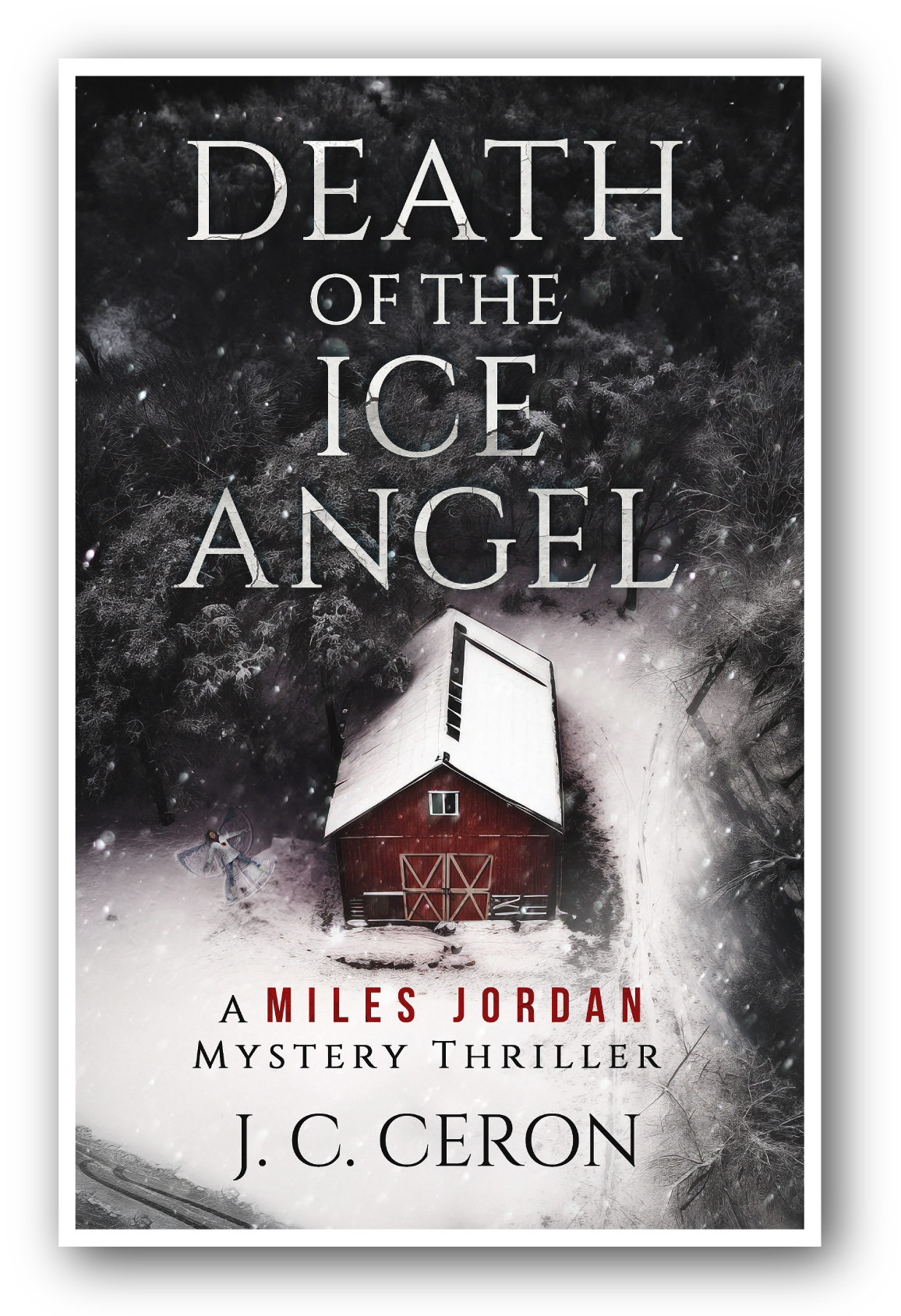
J. C. Ceron generously answered some questions on writing and publishing:
What is your favorite writing tip or technique, and how has it helped your process?
Outlines. It’s probably the software engineer in me. Before I write a single sentence, I design the entire book in a detailed outline. The outline is a living document, so changes that come up during the writing process result in updates to the outline. It requires significant upfront effort and time but pays back dividends. For example, I know where I’m going and exactly how to get there. To keep things logical, which is crucial in a mystery thriller, I’m forever conscious of cause and effect when outlining and plotting.
What do you do to get over writer's block?
I haven’t suffered from writer’s block. The reason is the outline. I always know what comes next. The questions asked during outlining also keeps things moving. The plot deviates from the outline as it develops. I don’t put restrictions on it. But it never outright derails because of all the upfront planning that goes into it.
What is one thing you wish you had known about publishing before signing with a small press?
The pain of marketing. You get a tiny budget for marketing in a small press and little help. You’re expected to figure out and do most of it yourself, which can be overwhelming and frustrating because marketing is an entirely different job. It takes time to learn and time to develop the right mindset. I’m still learning.
Are you a plotter or a pantser? What's your drafting process like?
Plotter. I use whiteboards and graphs to develop the plot and the outline. Characters, too, stem from the outline. I ask questions—lots of them—and see where they lead me. Does the murder occur in a big city or a small town? If it’s a big city, which one? Is the victim male or female? How was the victim killed? Does the killer know the victim (a “no” answer here, for example, can lead to a serial killer plot)? What’s the motive? And on and on. I believe you’ll have a complete, logical plot if you ask enough questions. And many of those questions come from ideas I get from newspaper articles, true crime documentaries and books, and friends in law enforcement.
How do you find time to write while managing other responsibilities?
I don’t believe in the muse. I believe in a schedule. I write from 5 a.m. to 8 a.m. on weekdays and then another four to eight hours on the weekend. I try to take a day off to recharge but not every week. The rest of my time is reserved for family, marketing, and my day job. It’s not easy and requires discipline.
What is one "rule" or writing advice you purposefully break?
Long sentences. I’ll put a couple in every book. Then I like following those up with short or tiny sentences. I believe that breaks up the rhythm of the prose and keeps the reader engaged.
If you would like to be interviewed for a future newsletter, feel free to message me and let me know.
A Link I Found Interesting
I found an interesting article that explores the world of writing in book margins, a habit I regularly practice. It discusses everything from creating unique symbols to using drawings to mark text on the page. There's something special about connecting with a book this way, making it uniquely yours. This piece is a must-read for those who love adding their own thoughts beside the printed words.